Did you know that the simple act of stacking blocks is one of the most effective ways to accelerate early cognitive development? While these colorful toys might look like basic entertainment, they act as a foundational tool for building complex neural pathways. Engaging with blocks provides a hands-on environment where children actively practice the essential steps of logical reasoning and structural analysis.
Building Cognitive Foundations
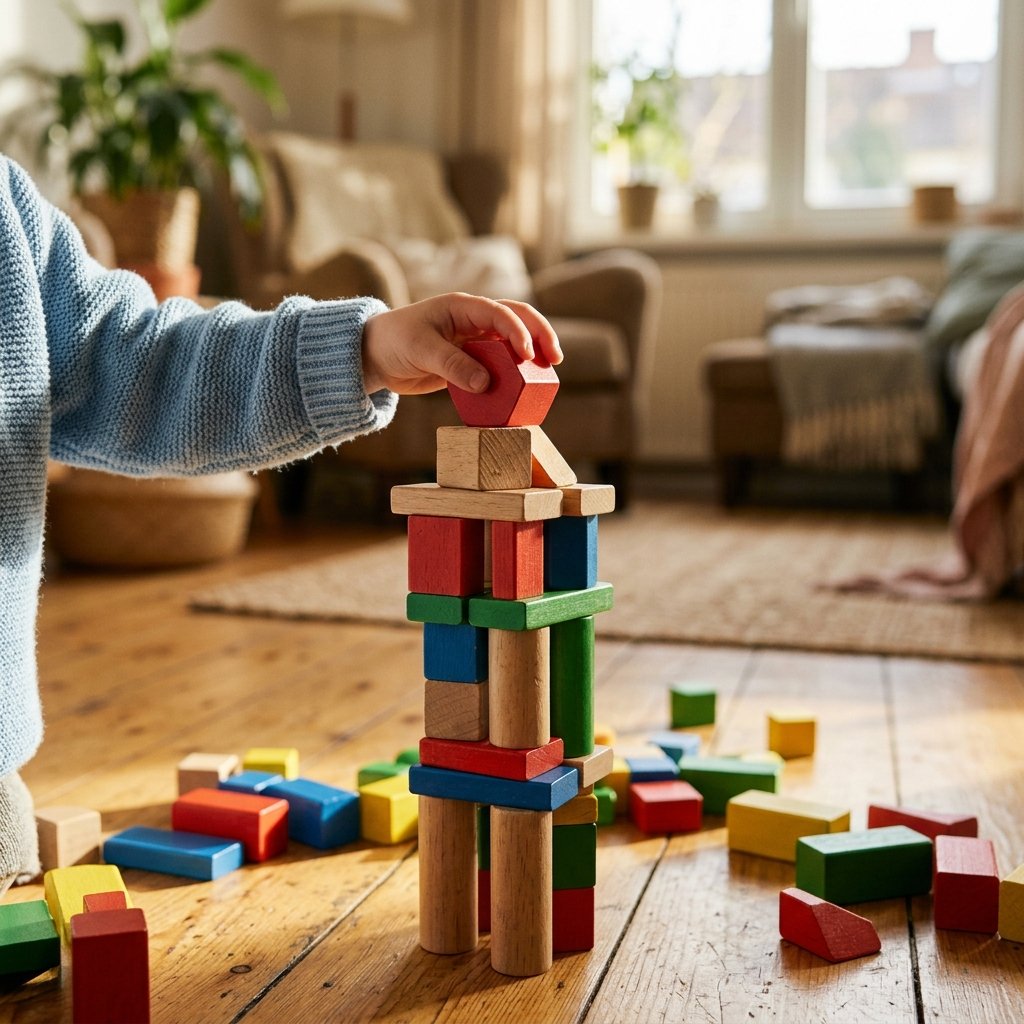
When a child begins to build a tower, they are not just playing; they are conducting a physics experiment. By exploring how different shapes fit together, children learn about critical concepts like balance, stability, and geometry. This process encourages spatial reasoning, which is the ability to understand and remember the relationships between objects in a physical space. As they plan their next move, children rely on mental visualization to predict the outcome of placing a block in a specific spot.
The Power of Trial and Error
Perhaps the greatest lesson block play offers is the value of resilience. When a structure collapses, a child is presented with a real-time problem. They must analyze why it failed and adapt their strategy accordingly. This cycle of trial and error is a core tenet of effective learning. As noted in resources like Wikipedia, these play-based experiences help children grasp that there are often multiple solutions to a single challenge. By experimenting with different designs, they learn to think outside the box and approach obstacles with a growth mindset.
Beyond Physical Toys
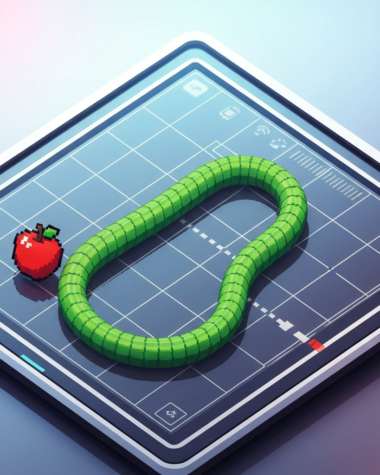
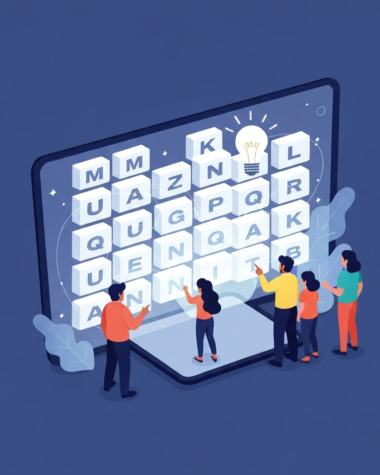
The principles of strategic thinking extend into the digital realm as well. Games like Google Block Breaker require players to use logic and quick decision-making to clear levels, mirroring the structural problem-solving found in physical play. Whether digital or physical, these activities align with frameworks found in the Harvard Business Review, which emphasizes that breaking down complex issues into manageable parts is the key to resolution. By fostering creative freedom, block games allow children to invent unique structures, turning every play session into a masterclass in innovation.
How do blocks help spatial awareness?
Blocks require children to perceive how objects occupy space. By manipulating shapes, they develop an intuitive sense of scale, depth, and orientation.
Can digital games help?
Yes, digital experiences like Google Block Breaker encourage strategic planning and quick reflexes, which complement the tactile problem-solving skills learned through physical blocks.
Why is trial and error important?
Failure teaches children to adapt. When a tower falls, they must re-evaluate their technique, which builds persistence and improves their analytical approach to future tasks.
Does block play foster creativity?
Absolutely. Without rigid instructions, children are free to experiment with unique designs, which encourages them to think beyond traditional methods.
Where can I learn more about brain development?
You can find extensive research on how children learn and develop by visiting platforms like Wikipedia.
Conclusion
Block games are far more than just a way to pass the time. They are essential educational tools that sharpen cognitive abilities, promote creative thinking, and teach children the value of perseverance. By encouraging this type of play, parents provide a vital foundation for future academic and life success.